As organisations across Australia and New Zealand – particularly in legal, accounting, finance and healthcare – accelerate investment in AI, cloud and digital collaboration, one critical issue continues to be overlooked – how sensitive information is shared beyond the organisation.
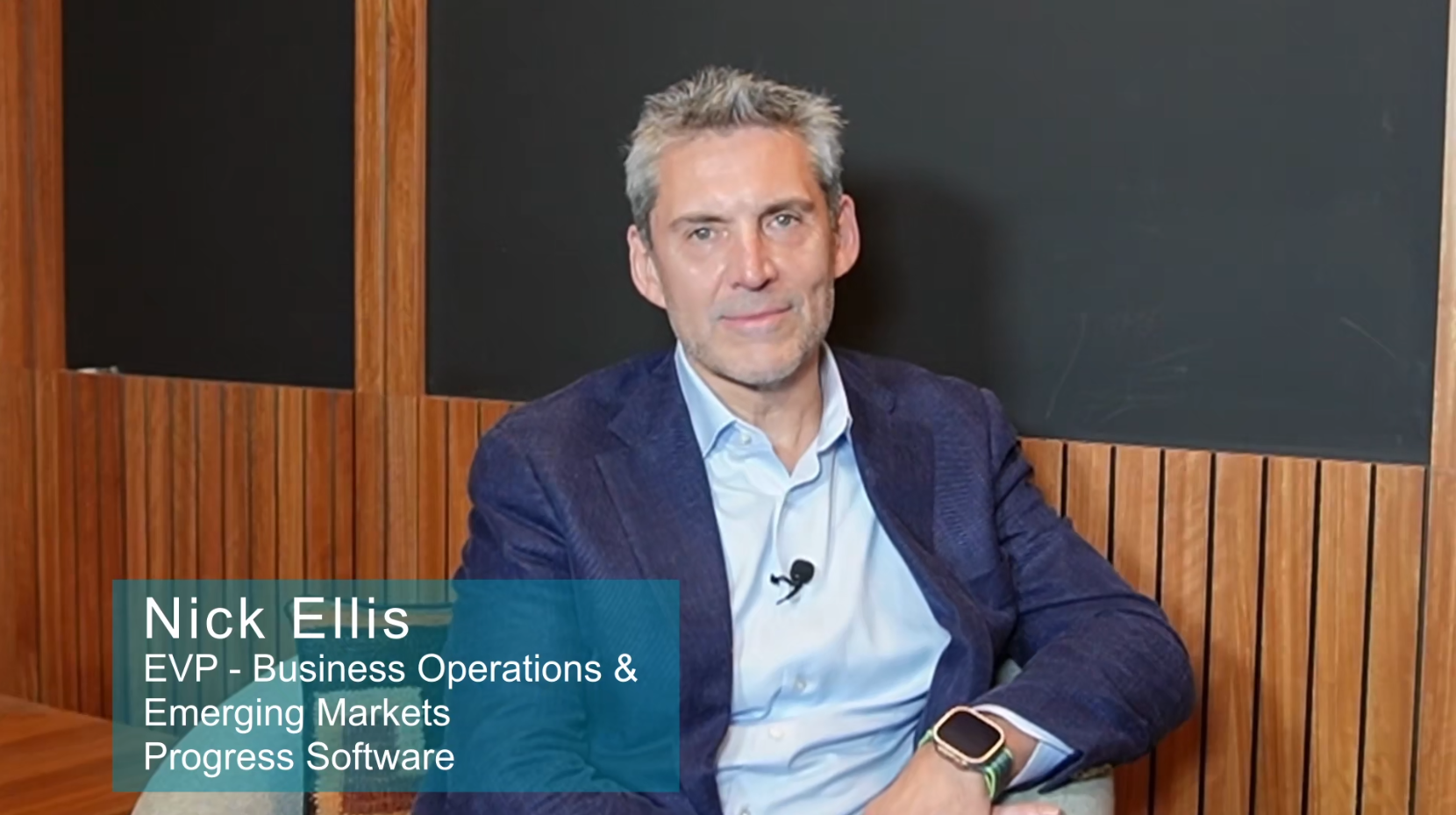
In this episode of Com-X Connects, Nick Cross speaks with Nick Ellis, EVP for Emerging Markets at Progress Software – the company behind secure content collaboration and file sharing platform ShareFile.
Together, they explore why external file sharing is becoming one of the most underestimated risks in modern organisations, and why addressing it now requires a more structured, governance-led approach.
External Collaboration Remains the Weakest Link
While internal collaboration platforms have evolved significantly, the same cannot be said for how organisations engage externally. Many still rely on email, attachments and a mix of disconnected tools to share sensitive information with clients and partners – particularly in legal matters, financial reporting, client records and healthcare communications.
As Ellis explains, the problem is not necessarily the tools themselves, but what they were designed for: “None of those things are ideally suited to communicating documents or content with sensitive information inside it.”
What this creates is a disconnect. Internally, organisations may operate within controlled, secure environments, yet externally, they revert to unstructured methods where risk is significantly higher. And in most cases, that risk is not driven by sophisticated cyberattacks, but by something far more common – human error.
The Moment Control Is Lost
One of the most striking insights from the discussion is how quickly accountability disappears when using traditional methods like email. In that moment, organisations lose visibility, control and the ability to govern how that information is used. Files can be downloaded, forwarded, stored or shared again – often without any traceability.
Ellis reinforces the point by highlighting where responsibility shifts: “The recipient then becomes the person that’s accountable and responsible for it…and you have no control over,” Ellis says.
For organisations handling sensitive or regulated information – especially across legal, financial and healthcare environments – this is no longer a manageable risk. It represents a fundamental gap in how data is governed beyond the perimeter of the business.
Security Is Now Part of the Client Experience
The conversation also highlights a shift that many organisations are only beginning to recognise – secure collaboration is no longer just an internal concern. It is a visible part of the client experience.
Clients today are more aware, more cautious and more sceptical. Every email, every link and every request for information is questioned. And increasingly, those expectations are shaping who they choose to work with.
This reflects a broader change in mindset. Trust is no longer assumed – it is demonstrated through the way organisations handle data. A fragmented or unstructured experience not only introduces risk, but it can also undermine confidence in the organisation itself.
This is particularly true in industries like legal, accounting, finance and healthcare, where trust and confidentiality are central to every client interaction.
Moving Beyond File Transfer to Structured Collaboration
Rather than treating file sharing as a simple transaction, the discussion emphasises the need for a more structured, end-to-end approach to collaboration. This means thinking about the entire lifecycle of a document – from its creation, through collaboration and validation, to final approval and signature. Each stage needs to be controlled, visible and auditable.
Ellis describes this as a complete shift in perspective: “You start off with a document, and it tends to end with something as a signature.”
By embedding governance into this lifecycle, organisations can move from reactive risk management to proactive control, ensuring that sensitive information is handled consistently at every stage.
Why Data Governance Is Foundational to AI
As the conversation turns to AI, another critical theme emerges – the direct relationship between data governance and AI success.
While AI promises increased speed and efficiency, it also amplifies existing weaknesses. Without structured and well-managed data, organisations risk accelerating poor outcomes rather than improving them.
Ellis challenges organisations to consider this reality: “If you are not managing your sensitive information in a structured, organised way, why do you think that you’re going to have success with AI?”
He goes on to reinforce that governance is no longer optional: “Good governance around data is going to become a prerequisite to be successful.”
In this context, AI is not just a technology initiative. It is a catalyst that exposes the maturity – or lack of maturity – in how organisations manage their data.
Designing Systems That Reduce Human Risk
A consistent thread throughout the discussion is the role of human error. While technology continues to evolve, the reality is that people will always make mistakes.
The solution, however, is not to rely on individuals to be more cautious. It is to design systems that make secure behaviour the default. “You want to limit who has got access, and you want to know who has accessed,” he added.
By embedding control, visibility and accountability into everyday workflows, organisations can significantly reduce the likelihood of error – without adding friction to the user experience.
While selecting the right platform is important, the real challenge lies in how organisations implement, adopt and scale it. Identifying high-impact starting points, building momentum and maturing over time is what ultimately drives success.
For a deeper dive into secure collaboration, data governance and AI readiness, watch the full Com-X Connects interview or listen to the podcast episode.
Want to learn more about ShareFile? Fill in the form below and the team at Com-X can recommend the right solution for your business needs.