Rising costs, growing complexity and the acceleration of AI are forcing organisations to rethink how they deliver secure digital workspaces. The opportunity isn't simply to find a cheaper alternative. It's to build a more flexible, resilient IT environment that works on your terms.
IT leaders are being squeezed from every direction. Licensing costs are rising, infrastructure is becoming more expensive, and lean IT teams are expected to deliver better user experiences while strengthening security and supporting AI adoption.
For organisations running business-critical Windows applications, traditional virtual desktop infrastructure (VDI) can bring significant operational overhead alongside licensing and infrastructure costs.
So, what if there was a simpler, more flexible way forward?
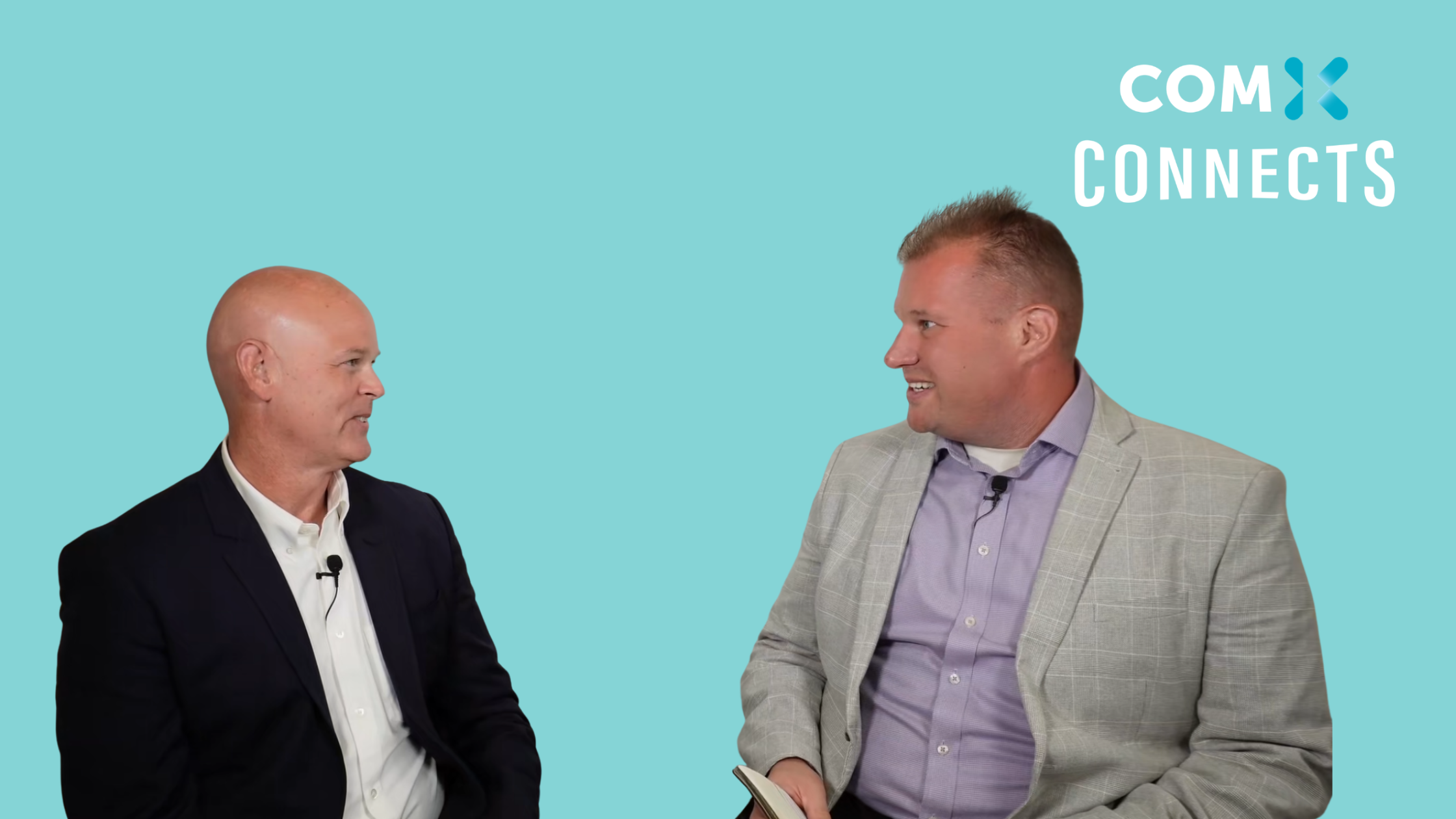
In the latest episode of Com-X Connects, Nick Cross speaks with Michael Hopfinger, Senior Vice President of Global Sales at Parallels, about the challenges facing Australian organisations and why the market is opening up new opportunities for secure application delivery.
The Cost of Complexity Is Becoming Impossible to Ignore
The challenge facing IT leaders isn't just what technology costs to buy. It's what it takes to implement, manage, secure and maintain it.
As Michael explains, organisations are navigating disruption across vendors, cloud platforms and the broader geopolitical landscape. That uncertainty is creating an opportunity to reconsider established technology decisions.
"There aren't a lot of good options for those that are trying to navigate these waters,” says Michael. “So, there's a lot of pressure coming in from different angles."
For Michael, flexibility is central to the answer. Rather than forcing organisations into a particular infrastructure model, Parallels is designed to work with the environments businesses already have, as well as the ones they're planning to adopt.
"If you are on prem, in a private cloud or you're on one of the big public clouds, Parallels is going to work in those scenarios,” he adds.
That flexibility matters when organisations need to modernise without undertaking unnecessary migrations or adding further complexity to already stretched IT teams.
The financial opportunity extends beyond licensing. Parallels uses concurrent licensing, allowing organisations to license based on simultaneous usage rather than assigning a licence to every named user. Michael notes that this can deliver savings of 50–66% in some use cases, depending on a customer’s environment.
The bigger opportunity? Reduce the cost of running IT while freeing up resources for the initiatives that move the business forward.
Digital Sovereignty Means Keeping Your Options Open
Australia's technology landscape has its own priorities. Data residency, digital sovereignty, compliance and control over where workloads operate all influence infrastructure and security decisions.
But sovereignty isn't just about where your data lives. It's also about maintaining the ability to change direction when vendors, commercial models or geopolitical conditions shift.
Michael highlights a particularly important consideration for organisations making their next platform investment: the ability to move when circumstances change.
"One of the big pieces of their index was the ability to get in and get out with different technologies," he says. "It's not just about domiciling your cloud or your data centre, it's about that and the ability to be flexible and pivot quickly based on things that are operating outside of your control."
It's a powerful reminder that long-term technology resilience requires more than choosing the right platform today. It means preserving the freedom to make different choices tomorrow.
For Australian organisations balancing public cloud, private cloud and on-premises infrastructure, that flexibility is particularly valuable. Parallels supports hybrid environments, allowing organisations to determine where their workloads operate based on their requirements, rather than being locked into a single approach.
Your workspace should reflect your business needs, your security requirements and your commercial priorities – not the limitations of a single technology platform.
The Next Frontier: AI, Applications and Intelligent Agents
The way people work is changing rapidly. SaaS adoption continues to grow, AI is accelerating application development, and organisations are preparing for a future where digital agents work alongside people.
That creates a new challenge: how do businesses manage access, establish guardrails and secure an expanding ecosystem of applications, users and AI agents?
Michael believes this represents a significant opportunity for the application delivery industry. "We have humans that have historically been our end user computers,” he says. “And now we've got this army of agents by the millions.”
For IT leaders, this shift raises important questions about how applications are accessed, how permissions are governed and how security is maintained as AI becomes more deeply embedded in business operations.
Michael sees the need to balance control with innovation as central to what comes next.
"Being able to govern, manage, create guardrails, a level of safety, while at the same time maximising the opportunity that the AI revolution is going to avail.,” he says. “This is a huge opportunity for us."
For organisations already investing in Microsoft technologies, Parallels can complement Microsoft Azure Virtual Desktop (AVD), helping manage costs and deliver the applications users need. Its broader workspace capabilities also address the growing need to secure access to web applications and emerging AI-driven tools.
The future of the digital workspace isn't just about giving people access to applications. It's about enabling people and AI to work productively, securely and with the right controls in place.
Why the Right Partner Makes the Difference
Technology flexibility only delivers value when it's matched with the right expertise.
As the Parallels Partner of the Year, Com-X works with Australian organisations to simplify digital workspaces, optimise application delivery and make technology investments work harder.
Through consultancy, managed services and managed security services, we help organisations assess their current environments, identify opportunities to reduce cost and complexity, and develop a practical path forward.
Whether you're approaching a renewal, reviewing your VDI strategy, exploring hybrid cloud options or preparing your environment for AI, the starting point is understanding what your business needs – and what your existing technology can still deliver.
Michael's advice to IT leaders considering their next technology investment is simple: "I would say seek flexibility."
It's advice worth taking seriously in a market where licensing models, technology platforms and business requirements continue to evolve.
Your workspace should work on your terms, not dictate them.
Ready to Rethink Your Digital Workspace?
Don't let rising costs and legacy complexity limit your next move.
Connect with Com-X to explore how Parallels can help your organisation simplify application delivery, optimise costs and build a more flexible, secure digital workspace.
Watch the Com-X Connects interview with Michael Hopfinger to hear the full discussion, including his insights into Australia's hybrid IT market, digital sovereignty and the future of AI agents.
Prefer to listen? Catch the conversation on the Com-X Connects podcast.